Interest rates are one of the most important factors in determining the total cost of a loan. Whether you're taking out a mortgage, auto loan, or personal loan, understanding how interest rates work can save you thousands of dollars over time.
What Are Interest Rates?
An interest rate is the percentage of the principal (the amount you borrow) that a lender charges you for the privilege of borrowing money. It's essentially the cost of borrowing, expressed as a yearly percentage of the outstanding loan balance.
💡 Pro Tip
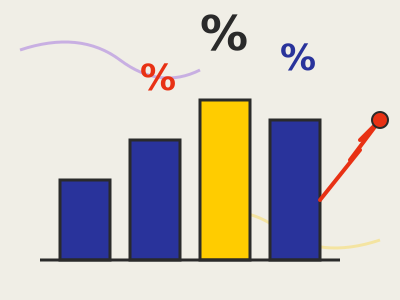
Even a 1% difference in interest rates can mean thousands of dollars in savings over the life of a loan. Always shop around and compare offers from multiple lenders.
Types of Interest Rates
Fixed Interest Rates
A fixed interest rate remains the same throughout the entire loan term. Your monthly payment stays consistent, making it easier to budget and plan your finances. This is ideal if you want predictability and plan to keep the loan for a long time.
- Pros: Predictable payments, protection from rate increases
- Cons: May start higher than variable rates, no benefit if rates drop
- Best for: Long-term loans, borrowers who value stability
Variable Interest Rates
Variable (or adjustable) rates can change over time based on market conditions. They typically start lower than fixed rates but carry more risk since your payment can increase if rates rise.
- Pros: Lower initial rates, potential to benefit from rate decreases
- Cons: Payment uncertainty, risk of rate increases
- Best for: Short-term loans, borrowers comfortable with risk
Factors That Affect Your Interest Rate
📊 Credit Score
Higher credit scores typically qualify for lower interest rates. Aim for 740+ for the best rates.
💰 Loan Amount
Larger loans may have different rates than smaller ones. Some lenders offer better rates for higher amounts.
📅 Loan Term
Shorter terms usually have lower rates but higher monthly payments. Longer terms spread payments out but cost more overall.
🏦 Down Payment
Larger down payments reduce lender risk, often resulting in better interest rates.
Strategies to Minimize Interest Costs
- Improve your credit score before applying - Pay down existing debt, dispute errors on your credit report, and avoid new credit inquiries.
- Make a larger down payment - This reduces the loan amount and shows lenders you're a lower-risk borrower.
- Choose a shorter loan term - While monthly payments will be higher, you'll pay significantly less in total interest.
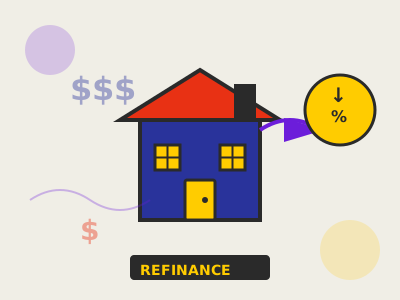
- Consider refinancing - If rates drop or your credit improves, refinancing can lower your rate and save money.
- Make extra payments - Paying more than the minimum reduces your principal faster, which means less interest over time.
Real-World Example
Let's say you're borrowing $20,000 over 5 years:
- At 5% interest: Total paid = $22,645 (interest: $2,645)
- At 8% interest: Total paid = $24,331 (interest: $4,331)
That 3% difference costs you an extra $1,686 over the loan term!
Understanding APR vs. Interest Rate
Many people confuse the interest rate with the APR (Annual Percentage Rate), but they're different:
- Interest Rate: The cost of borrowing the principal amount
- APR: The total cost of the loan including interest PLUS fees (origination fees, closing costs, etc.)
Always compare APRs when shopping for loans, as it gives you a more complete picture of the true cost.
Final Thoughts
Understanding interest rates empowers you to make smarter borrowing decisions. By improving your credit, choosing the right loan type, and using strategic repayment methods, you can minimize interest costs and reach your financial goals faster.
Remember, even small differences in interest rates compound over time. Take the time to research, compare offers, and negotiate for the best possible rate. Your future self will thank you!